|
|
|
You can get e-magazine links on WhatsApp. Click here
|
|
|
|
|
|
“Initially a startup would see at least 75-80% growth”
|
|
Monday, 31 July, 2023, 08 : 00 AM [IST]
|
|
|
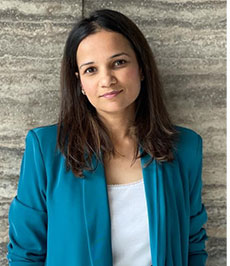 White Light Food, founded in June 2019, boasts of a state-of-the-art central kitchen in the heart of Mumbai, and a top-of-the-line range of the widest variety of Asian and Oriental products. It aims at catering to the ever-growing Asian cuisine segment pan-India. Their main offering is the IP base Asian gravies and sauces, which they have successfully forayed into General Trade, e-commerce, exports, and direct-to-customer sale revenue streams. White Light Food, founded in June 2019, boasts of a state-of-the-art central kitchen in the heart of Mumbai, and a top-of-the-line range of the widest variety of Asian and Oriental products. It aims at catering to the ever-growing Asian cuisine segment pan-India. Their main offering is the IP base Asian gravies and sauces, which they have successfully forayed into General Trade, e-commerce, exports, and direct-to-customer sale revenue streams.
Megha Poddar, CEO & founder at White Light Food, shares her views on the food and beverage industry, green packaging, challenges, sustainability, and more, in an email interview with Kimberley Almeida. Excerpts:
How has the competitive landscape of the food and beverage industry changed during the past few years?
Food and beverage industry has seen two major changes. One is of course the change in consumption patterns post-Covid due to which there has been a demand surge in the products that are authentic, convenient and easily accessible. This of course relates more to the store front and e-commerce-based products. In terms of service-based food sector, I see a huge change in consumer mind-set towards specialised cuisines. Earlier consumers expected variety of cuisines or dishes to be available at a single place/caterer/establishment.
Now people associate places with the niche products they offer as they want premium and gourmet dishes. They are ready to take the effort to order from places or to visit places only for the core specialities that they offer and have mastered.
What are the different types of products offered by the company, and which are most popular among consumers?
We have three main offerings:
Handchurned Asian Sauces – GT (General Trade), MT (Modern Trade), E-commerce and HoReCa; Frozen Asian Products - HoReCa and D2C; Fresh Menu - HoReCa, D2C and Events.
In terms of popularity the Asian sauces are a bit hit with all age brackets as we have kept them in their true consistency and they are picked up by experienced chefs as well as new cooks. Our star offering in the HoReCa segment are the dimsums. We have had a 100% client conversion rate in this category so far and have managed to maintain the superior quality we offer even though the volumes have increased.
Will you be moving towards green packaging alternatives, keeping in mind environmental concerns?
Our sauce packaging is fully green and environment-friendly. We are doing our backend research to move to sustainable packaging options for our frozen category which we should attain hopefully in this coming fiscal.
What kind of research and development goes into your products?
We like to keep it real when it comes to R&D. I keep in mind geography, consumer emotions, ideologies and their buying decision makers or breakers, chef expectations, target audience of the establishment, and acceptability threshold for change when I attempt anything new. India is as diverse as it gets and at the same time rigid too. Product trials and testing comes in at a later stage then. Lastly we like to keep a sample size of customers who we roll out the products to and get a real people feedback. In terms of ingredients we like to go deep into our research and trials to replace and substitute in order to create categories that can fall into the vegan, gluten free, no soy, no preservative, and no MSG categories.
What are the key driving factors and challenges in the industry?
F&B industry looks very attractive from the outside. But internally margins have to be kept guarded to see long-term growth. Mass product vs volume and premium product vs less volume does not hold true here as the average price of the product per unit is not beyond a certain level. Initial years can hence be tough on the profitability as volumes and client base setting takes time. Driving factor for any industry as per me would be an honest product. Also there’s a buyer ready out there for any category and quality of the same product. A t-shirt can be sold for 200 or 20,000. You have to know who you want to sell it to. My ground motto in terms of driving the business is always simple: more than who I want to service, I have to decide who I do not want to service.
What are the company’s long-term goals for sustainability?
Our HoReCa arm is our cash cow. We aim to extend to all major premium establishments, hotels and caterers pan-India. This segment of the business will help us remain bootstrapped in order to grow the B2C sauce brand and keep our patience levels intact in order to grow through the gestation period of building a consumer brand.
How has your company faired since its inception in 2019?
We started in June 2020. And I’m grateful for the run we have seen. We have been able to enter into different revenue streams and fit our product into the niche segments where the industry was facing a gap.
Tell us how the company became the highest volume seller in the category of direct-to-home segment.
Covid situation helped us a lot. People were cooking at home and Asian being a popular restaurant cuisine people were starved of it. We plugged the product by using high penetration strategies which included 200 plus WhatsApp groups for individual societies, home marketers adopting the multi level marketing model (MLM) who helped spread word of mouth in premium circles, resource groups which had a lot of credibility when product recommendations were made, and by using our own in-house logistic team which we invested in to get consumer trust about hygiene standards being maintained. Home marketers played a huge role in getting the high volumes. We had different people appointed for different age groups, geographical areas, different communities, even different castes and religions.
What was the last fiscal like and what are you looking for in the next fiscal?
We have doubled our capacity from the last year and hoping to see another double jump this year too. Percentage wise growth parameters won’t be fair here as initially a startup would see at least 75-80% growth year on year if the ball starts rolling. We aim to have exponential figures this fiscal.
Any plans for expansion and collaboration with local and foreign markets?
Pan-India expansion has started both for retail and HoReCa. We will be picking geographical pockets, tweaking product as per consumer expectations and rolling it out phase by phase. Foreign markets is also a ripe one. However I want to target only the NRI audience residing in international cities. The year 2024, will see this segment growing for us. This year is dedicated to homeland.
|
|
|
|
|
|
|
|
|
|